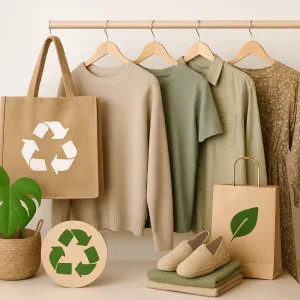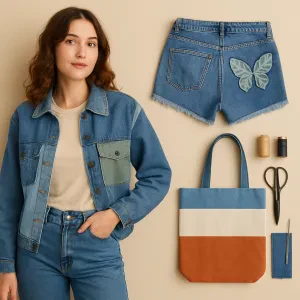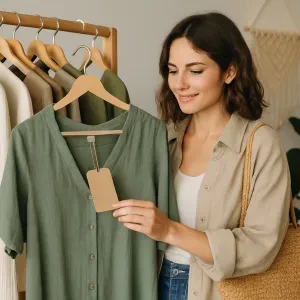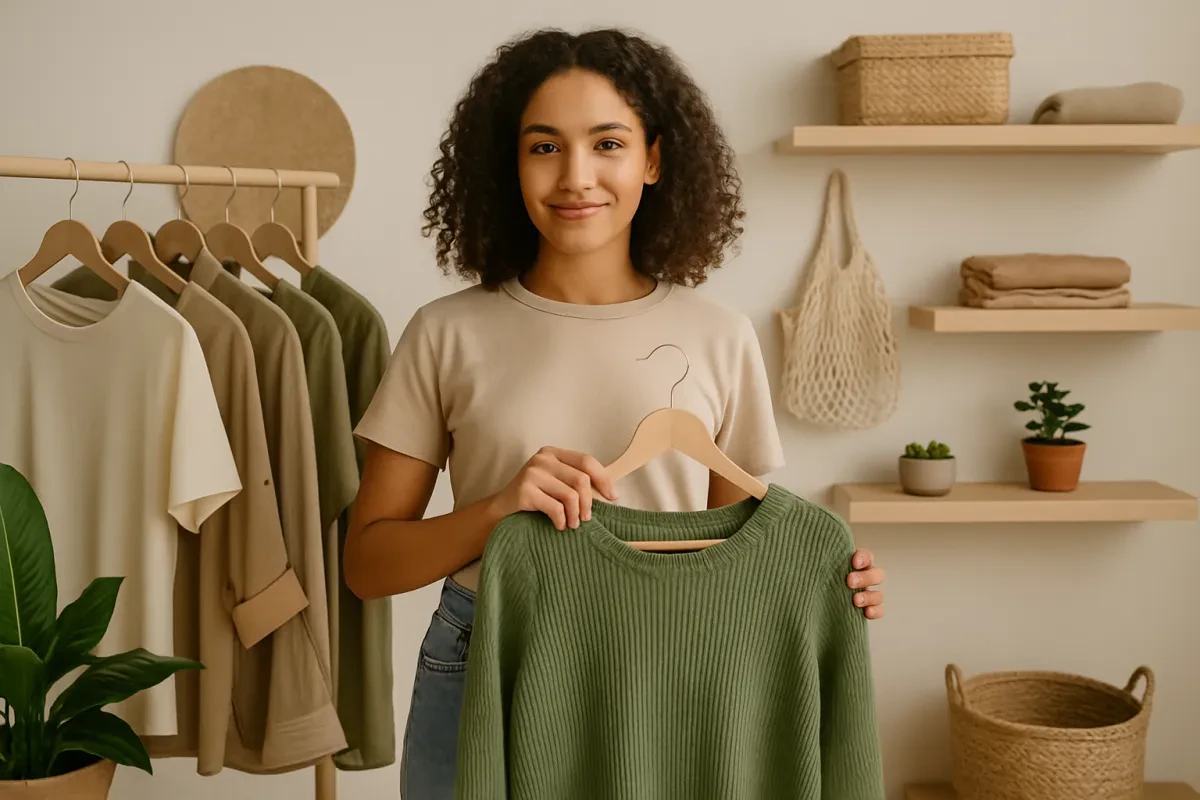
When you shop secondhand, you’re diving into a treasure trove of unique finds. Every piece has its own story and charm, making your wardrobe one of a kind. You won’t just be following trends; you’ll be setting them with items that no one else has.
Plus, secondhand shopping is a sustainable choice. You’re giving clothes a second life and keeping them out of landfills, which is a win for the planet. It’s a smart way to reduce your carbon footprint while still looking fabulous.
Hunting for secondhand gems can be pretty exciting. Thrift stores, online marketplaces, and vintage shops have so many options. Look for quality fabrics and timeless styles that can easily mix and match with what you already own. Don’t forget to check sizing; clothing fit can vary widely between brands and decades.
Understand Fabrics and Materials
When it comes to sustainable fashion, the fabrics and materials matter a lot. You’ll want to look for items made from natural, organic, or recycled materials. These not only help reduce waste but often feel great to wear, too!
Here are some top fabric choices to keep an eye out for:
Avoid synthetic materials like conventional polyester and nylon if possible. These can take hundreds of years to decompose and are often made with harmful chemicals. Plus, they’re not the best option for the environment.
Always check the labels. Brands that prioritize sustainability will proudly share their materials. Got questions about how something’s made? Don’t hesitate to reach out to the brand directly. You deserve to know what you’re wearing!
Choose Brands with Transparent Practices
When shopping for sustainable fashion, it’s super important to choose brands that are open about their practices. Transparency shows that a brand cares about what they’re doing, from how they source their materials to how they treat their workers. You definitely want to support companies that prioritize ethical and environmentally-friendly approaches.
Look for brands that share details about their supply chain. How are their clothes made? Where do they source their fabrics? Brands that provide this info usually have nothing to hide. They’re proud of their processes, and this gives you confidence in your purchase.
Check for certifications, too. Labels like Fair Trade or GOTS (Global Organic Textile Standard) are pretty solid indicators that a brand is serious about sustainability. It means they’ve met specific criteria, so you know their practices are trustworthy.
Don’t hesitate to reach out to brands if you have questions! A good brand will be happy to answer inquiries about their practices. It’s a simple way to see if they genuinely care about sustainability or if they’re just riding the eco-friendly trend.
Prioritize Timeless Styles Over Trends
When it comes to sustainable fashion, sticking to timeless styles is key. Trends come and go, but classic pieces never fade from the scene. Think about those go-to outfits you’ve loved for years. They’re usually the ones that always feel right and fit like a dream.
Timeless pieces are often versatile, so you can mix and match them easily. A great pair of jeans, a simple white tee, or a little black dress can be dressed up or down. This flexibility means you won’t need to keep buying new outfits for different occasions. Plus, you’ll save money and reduce waste in the long run.
Also, timeless styles tend to be made from better materials that last longer. When you invest in high-quality pieces, you’re not just buying clothes; you’re making a smart choice for the planet. Look for sustainable materials like organic cotton, Tencel, or recycled fibers. These fabrics feel great and stand the test of time.
So next time you shop, try to focus on those classic styles that will stay relevant. Your wardrobe will thank you, and so will Mother Earth. Embracing timeless fashion leads to smarter choices, less clutter, and a happier planet.